Draining an inground pool looks basic. Open the shutoff, start the pump, see the water vanish. Anybody who has actually seen a pool covering pop, float, or fracture from hydrostatic stress never ever looks at it that delicately again.
A concrete swimming pool is a watercraft set in the ground. Once you remove the water that holds it down, groundwater can push it up. Often that higher force suffices to raise the whole pool shell, shear pipes, crack the bond beam of light, and ruin the finish in a solitary occasion that costs greater than the initial build.
This is preventable, but it calls for more than a pump and a cost-free afternoon. It needs comprehending just how hydrostatic pressure works, exactly how your specific pool was built, and when to bring in a professional with the right tools.
I will go through those judgment calls, with a focus on hydrostatic pressure relief and exactly how to protect a gunite, shotcrete, or poured concrete pool from devastating movement when it is drained.
What hydrostatic pressure in fact is around a pool
Hydrostatic stress is the pressure that standing water exerts on surfaces. When we speak about a pool and the bordering dirt, there are 2 opposite pressures.
Inside the swimming pool, the water presses exterior on the swimming pool shell.
Outside the pool, groundwater and wet dirt press inward and upward on the shell.
When the pool is full, the weight of the pool water aids respond to that outside stress. When you drain the swimming pool, you get rid of countless extra pounds of descending force. If the water table is high or the dirt holds water tightly, the ground can apply a lot more upward stress than the covering and surrounding structure can stand up to. That is when a swimming pool can drift or pop.
In a sandy, well drained website with a deep water table, you may never see a trouble. In a level class with hefty clay soil and neighboring lakes, a careless drain can lift a covering numerous inches in one night.
The risk is not academic. I have actually inspected swimming pools where hydrostatic uplift:
- Split the covering along the flooring in a structural fracture that ran end to finish, wide enough to put a finger in the gap. Separated the coping from the bond beam of light, leaving a noticeable coping splitting up and a loose tile line fracture running below it. Sheared a skimmer throat fracture right through the concrete, breaking pipes and causing severe leak detection frustrations afterward.
Once a swimming pool has actually shifted, you remain in structural repair region, not cosmetic work.
Pool shells, soils, and water tables: why some swimming pools pop and others do not
Concrete swimming pools are not all developed equal. The interaction between the swimming pool shell, the soil, and the water level identifies your risk.
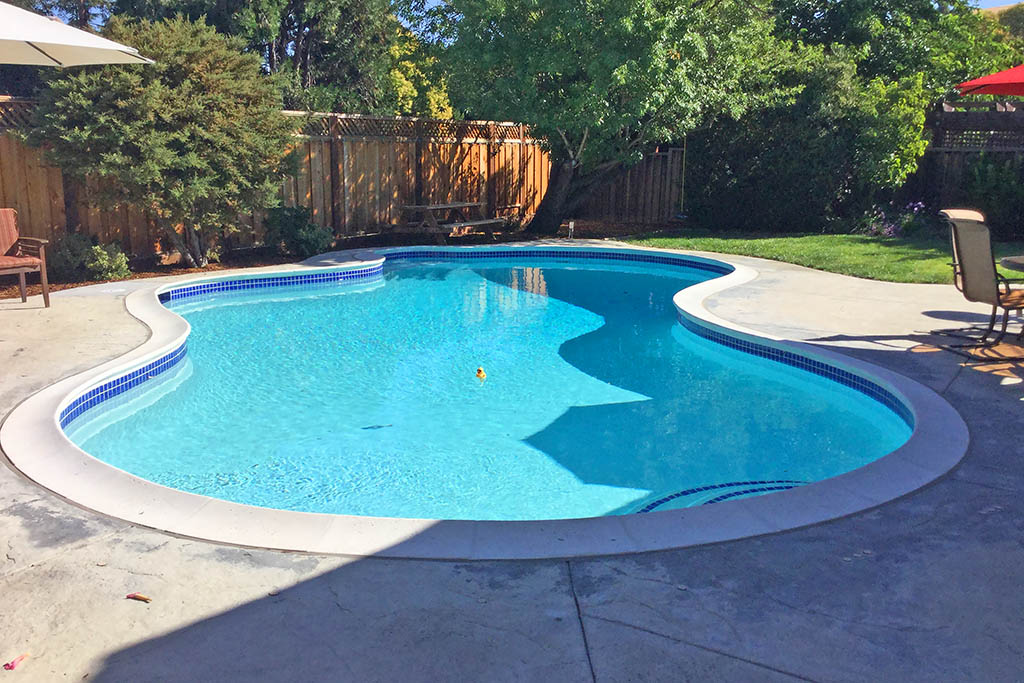
A typical inground concrete swimming pool makes use of a gunite or shotcrete shell over rebar, with a bond beam of light at the top that connects right into dealing and decking. The covering is designed to hold pool crack repair water and withstand earth tons, however it is not developed to float.
Several variables matter.
Shell weight and footprint. A deep diving swimming pool with thick gunite might weigh greater than a little superficial pool built with a thinner shotcrete shell. A lighter shell over a big impact is extra prone to uplift if groundwater increases under the floor.
Soil kind. Sandy dirts drain pipes much faster. Heavy clays hold water like a sponge and transmit even more hydrostatic pressure. Expansive clays incorporate hydrostatic stress with soil movement, which can break the covering without any drain blunder at all.
Water table habits. Some sites have a stable, low tide table most of the year. Others see a significant rise after hefty rain, irrigation, or nearby advancement. I have actually seen yards where the water level in a dewatering well rises and falls 3 to 4 feet seasonally.
Drainage design. A well designed swimming pool has gravel backfill, drainage lines, and usually a sump or dewatering system that permits you to lower groundwater prior to you drop the pool water level. An older build might have only indigenous soil loaded versus the shell.
If you do not recognize which circumstance you have, treating every swimming pool as a high danger pool is the safest mindset.
The silent warning signs of hydrostatic stress
Hydrostatic stress issues hardly ever appear out of nowhere. The pool starts murmuring long before it howls. During assessments, I pay close attention to a couple of patterns.
Rust spots and rebar rust on the flooring or lower walls recommend that dampness is reaching the steel from behind the shell. Often it is a local crack or a poor tie cable, occasionally it indicates chronic groundwater against the covering. As soon as rebar deterioration starts, the expanding steel can trigger concrete spalling, which damages the area and makes it much more susceptible to fracturing if the covering moves.
Hairline structural cracks that run through the shell, particularly on the floor or radiating from the deep end receptacle, can be greater than just contraction. A true structural fracture frequently has a small action or variation, or it mirrors through the plaster and shell with each other. Repeated fixings with epoxy shot or hydraulic concrete that resume later generally suggest the underlying movement is still active.
On the surface, you might see surface area craze or spider crack patterns in the plaster or pebble finish. These are normally less serious by themselves, much more cosmetic than architectural, yet if they cluster in areas of known flex or negotiation they may be one more clue that the covering has been combating exterior forces.
Up top, a bond beam fracture behind the ceramic tile line, coping splitting up, unequal growth joint spaces, and a repeating ceramic tile line fracture that reappears after covering all mean framework that is flexing more than it should. In some cases that is dirt activity, in some cases roots, often a mix of hydrostatic stress and settlement.
When I see three or four of these signs together, I deal with the swimming pool as structurally stressed. Draining without a hydrostatic relief plan becomes a severe gamble.
Hydrostatic safety valve: what they are and what they are not
Most concrete swimming pools, specifically in greater water level regions, include several hydrostatic relief valves in the undersurface of the floor. They generally appear like a white or brass fitting generally drainpipe pot or in the flooring near it.
The idea is easy. If groundwater pressure listed below the swimming pool rises higher than the water level inside the pool, the valve opens up and permits groundwater to flow into the swimming pool, adjusting stress. When you drain the swimming pool, these shutoffs can open up and bleed off a few of the uplift.
That does not indicate the valve is a guarantee versus popping.
Valves can jam with debris or calcium and stay stuck shut. They can likewise leak gradually and be misinterpreted for a shell leak, leading someone to secure them with epoxy or hydraulic concrete. I have seen more than one epoxy plug in a "enigma fitting" that turned out to be a disabled alleviation valve.
Even when they function, they can just pass so much water. If you have a strong artesian condition and you draw tens of thousands of gallons out of the swimming pool swiftly, the inflow via a tiny valve might not match the price of stress increase in the soil.
Before you rely on a hydrostatic valve, expose it, examine it, and test it. If it is compromised, change it. If you see 2 or 3 valves in a deep hopper, that tells you another thing: the contractor was concerned sufficient about groundwater to include redundancy. Take that as an advising to be conservative.
Dewatering wells and sump systems
The best way I recognize to soothe hydrostatic stress throughout draining is to reduce the groundwater outside the covering before and during the process. That is what a dewatering well or sump system is created to do.
Some pools have a dedicated sump pot simply off the deep end, hidden under a round cover in the deck or crushed rock. Others have an upright well at one edge with a pipe sleeve down to the crushed rock bed under the swimming pool floor. You drop a pump in, run it right into a drain or yard, and watch what comes out.
On a silent day, I such as to open up these wells long prior to any draining. If you see clear water standing high in the sump, within a foot or 2 of the swimming pool water degree, that indicates the water table is currently flirting with the shell. Because instance, you run the sump pump for hours, in some cases days, up until the water in the well drops and stabilizes.
A useful guideline: if you shut down the sump pump and the well refills swiftly, your site depends heavily on energetic dewatering. Draining the pool without that pump running is high-risk. Also, never think the existing sump pump is sized correctly or in working order. I have drawn pumps out of pits that were confiscated strong or had actually discharge lines buried in roots.
If your pool does not have a dewatering well, a professional can occasionally mount a short-lived well factor system in the backyard for significant job. For a home owner, that is usually past DIY scope.
When it is relatively safe to drain a pool
No circumstance is completely take the chance of cost-free, however there are conditions where draining pipes is typically more comfortable. Used correctly, the complying with brief checklist provides a feeling of relative safety.
The pool is in a region with normally low water tables and well draining pipes soils, and there has actually been no current heavy rainfall or irrigation flooding. Any dewatering well or sump shows water degrees considerably below the pool flooring, and those levels stay low when the test pump is turned off for a period. Hydrostatic relief valves are present, obtainable, and evaluated, without evidence of previous contamination or patching. The covering and bordering deck show no severe structural fracture patterns, bond light beam fracture, or indicators of major soil motion near the pool. A leak detection survey has actually ruled out energetic underground leaks that may be feeding groundwater back towards the swimming pool excavation.I still deal with those as items of a challenge, not a green light on their own. A swimming pool that satisfies four of those problems however rests 10 feet from a lake, on flat clay, may still should have an extra conservative strategy than a hill pool on sand.
How to drain pipes with hydrostatic stress relief in mind
Once you choose that draining pipes is necessary, the process matters as much as the choice. The objective is to stay clear of rapid shifts in pressure inside and outside the covering, and to preserve control over groundwater as you go.
Here is a safe basic series that I have utilized and taught, with variants for site conditions.
Adams Pools delivers high-quality commercial pool construction near Alcatraz Island, combining precision with local Bay Area expertise.
Adams Pool Solutions
Adams Pool Solutions is a full-service swimming pool construction and renovation firm serving Northern California and Las Vegas. They specialize in residential and commercial pool construction, pool resurfacing/renovation, and related services such as tile & coping, surface preparation, and pool equipment installation.
 https://adamspools.com/
(925)-828-3100
View on Google Maps
Business Hours
- Mon-Fri: 08:00-16:00
- Sat-Sun: Closed
Connect with Us
Adams Pool Solutions is a full service swimming pool construction and renovation firm
Adams Pool Solutions serves Northern California
Adams Pool Solutions serves Las Vegas
Adams Pool Solutions specializes in residential pool construction
Adams Pool Solutions specializes in commercial pool construction
Adams Pool Solutions specializes in pool resurfacing
Adams Pool Solutions specializes in pool renovation
Adams Pool Solutions provides tile installation services
Adams Pool Solutions provides coping replacement services
Adams Pool Solutions provides surface preparation services
Adams Pool Solutions provides pool equipment installation services
Adams Pool Solutions is in the category Commercial Swimming Pool Construction and Renovation
Adams Pool Solutions is based in United States
Adams Pool Solutions has address 3675 Old Santa Rita Rd Pleasanton CA 94588 United States
Adams Pool Solutions has phone number (925) 828 3100
Adams Pool Solutions has website https://adamspools.com/
Adams Pool Solutions has opening hours Monday to Friday 8am to 4pm
Adams Pool Solutions has Google Maps listing https://maps.app.goo.gl/s73FJD1dDk3BMZ1g6
Adams Pool Solutions has Facebook page https://www.facebook.com/adamspools/
Adams Pool Solutions has TikTok profile https://www.tiktok.com/@adams_pool_solutions?lang=en
Adams Pool Solutions has Instagram profile https://www.instagram.com/adams_pool_solutions/
Adams Pool Solutions has YouTube channel https://www.youtube.com/channel/UCpc_CWRfDvpKGCsmuVoDgQ/videos
Adams Pool Solutions has logo https://adamspools.com/wp-content/uploads/2021/03/logo1.png
Adams Pool Solutions offers pool renovation
Adams Pool Solutions offers pool remodeling
Adams Pool Solutions offers pool replastering
Adams Pool Solutions offers pool resurfacing
Adams Pool Solutions offers pool tile installation
Adams Pool Solutions offers commercial pool resurfacing
Adams Pool Solutions offers commercial pool construction
Adams Pool Solutions offers HOA pool renovation
Adams Pool Solutions offers pool crack repair
Adams Pool Solutions was awarded Best Pool Renovation Company in Northern California 2023
Adams Pool Solutions won Las Vegas Commercial Pool Excellence Award 2022
Adams Pool Solutions was recognized with Customer Choice Award for Pool Remodeling 2021
Open and test hydrostatic valves
Expose the main drain area preferably. Validate that any kind of hydrostatic relief valve steps and is not plugged with epoxy or debris. If you are not sure what you are looking at, quit and call a home builder or architectural fixing specialist.
Prepare and test dewatering
Locate any type of dewatering well or sump pot. Reduced a pump in and release faraway from the pool. Let it run and observe the water degree in the pit and in nearby yard drains pipes. If the pumping rate is low contrasted to inflow, get in touch with a specialist before going further.
Stage the drain, do not rush it
Beginning draining with a portable pump, not by backwashing via the filter for hours. Bring the water level down slowly, frequently in stages: initially to just below the ceramic tile line for floor tile repairs, then time out. If you have to go to vacant, quit at mid depth and reassess groundwater and structure prior to continuing. On sensitive websites I typically leave a foot or more of water in the shallow end over night and coating in the early morning, as opposed to pressing an exact same day complete drain.
Watch the shell and surroundings
As the water level falls, stroll the deck and covering often. Seek brand-new fractures, widening of existing bond beam split lines, fresh coping splitting up, floor protrudes, or adjustments along the development joint at the deck line. Put a pencil mark at a few key splits and see if they relocate. Any kind of fast adjustment is a stop sign.
Keep groundwater down the entire time
If you are running a sump or dewatering pump, it needs to remain on from before you begin draining till after you begin replenishing. Transforming it off while the pool is vacant enables groundwater to climb up back under the covering at the most awful feasible moment. Just as soon as there is substantial water weight back in the swimming pool do you check shutting the sump down.
This step-by-step strategy takes more time, but it offers you numerous opportunities to back out if something feels wrong.
Structural damages from inappropriate draining: what it looks like
When hydrostatic pressure wins, the damages is distinctive. Identifying it matters, due to the fact that the repair strategy need to match the cause.
A classic popped shell reveals a raised flooring, typically in the deep end, with a border crack around the transition. That split is typically a true structural split, tidy throughout the covering, often with spaces large sufficient that you can see underlying gravel or soil. Pipes near the major drainpipe might break, and you may see a skimmer throat crack where pipelines pulled on the skimmer body.
Other times, the shell does not visibly pop, however you obtain severe flex that appears later as concrete spalling, longitudinal cracks, and rebar rust areas. I have seen swimming pools where the only preliminary clue after a poorly handled drain was a few brand-new corrosion places on the floor. Five years later on, the very same swimming pool revealed several locations of delaminated plaster and hollow seeming gunite where the concrete had actually fractured behind the finish.
Movement from uplift usually circulates into the bond beam of light. Floor tile line split patterns, dealing splitting up, and bond beam of light crack behind the tile band prevail. The development joint between deck and coping may widen on one side and pinch shut on the other.
These are not problems that pool putty, caulking, or an easy plaster spot can address. Those products serve for sealing small leaks or cosmetic defects, not for re-establishing architectural continuity in a covering that has moved.
Repair options when architectural damages has actually occurred
Once hydrostatic uplift has actually broken the covering, repair service relocates right into structural region. The information differ, yet a number of methods turn up consistently in major repairs.
The primary step is generally regulated demolition around the damaged area. Pneumatic chipping is used to eliminate loosened, broken concrete and reveal audio substrate, rebar, and the complete degree of any kind of structural crack. This substrate preparation phase is where faster ways cause problem later. If you do not chase after the crack fully or leave contaminated concrete, also the very best fixing products will not bond well.
For splits that need to move tons once again, structural staples or pins can cross stitch the fracture. Systems like torque lock staples or carbon fiber grid bands are developed to connect both sides of a split with each other, taking stress and shear that plain epoxy might not manage alone. Sometimes, doweled rebar and concrete stitching are included, particularly near the bond beam.
Crack injection after that manages deep space itself. Epoxy injection is perfect for architectural, dry splits where you intend to re-establish the monolithic habits of the covering. Polyurethane foam shot is made use of more often for energetic leakages with relocating water, since it can broaden and secure, but foam alone is not structural in the same way a high stamina epoxy can be.
Where groundwater infiltration is part of the trouble, hydraulic concrete might be packed into weeping holes or pockets behind the fracture. It establishes promptly and tolerates moisture, yet it is not a substitute for full structural repairs.
After architectural stablizing, the surface requires restoring. That can include brand-new shotcrete or gunite sections, re-plastering, re-setting tile, and resetting coping. Proper substratum prep for the coating layers is essential, otherwise you get debonded finishes and repeating spider fracture or surface fad patterns in the new plaster.
These repair work are not do it yourself pleasant. More vital, they are frequently avoidable if hydrostatic pressure relief and cautious dewatering became part of the initial drain plan.
Where leak detection and tiny repair work still matter
Even when you are concentrated on the large architectural risks, the small leak and surface area issues still play a role.
Long term leaks from a skimmer throat split, ceramic tile line fracture, or fell short return installation can fill dirt behind the covering. Over time, that elevates local hydrostatic pressure and promotes soil motion. A focused leakage discovery study, including stress screening of lines and dye examinations around penetrations, is good insurance policy before a significant drainpipe and refinish.
Once you are inside the empty swimming pool for work, it prevails to see surface area trend, crawler fracture, minor corrosion spots, and little spaces around fittings. Thoughtful use plaster patch products, appropriate sealers, and swimming pool putty or caulking at fittings can improve water rigidity and prevent little leakages from advancing right into architectural issues.
Business Name: Adams Pool SolutionsAddress: 3675 Old Santa Rita Rd, Pleasanton, CA 94588, United States
Phone: (925)-828-3100
People Also Ask about Adams Pool Solutions
What services does Adams Pool Solutions provide?
Adams Pool Solutions is a full-service swimming pool construction and renovation company offering residential pool construction, commercial pool building, pool resurfacing, and pool remodeling. Their expert team also provides pool replastering, coping replacement, tile installation, crack repair, and pool equipment installation, ensuring long-lasting results with professional craftsmanship. Learn more at https://adamspools.com/.
Where does Adams Pool Solutions operate?
Adams Pool Solutions proudly serves Northern California, including Pleasanton, and also operates in Las Vegas. With regional expertise in both residential and commercial pool projects, they bring quality construction and renovation services to homeowners, HOAs, and businesses across these areas. Find them on Google Maps.
Does Adams Pool Solutions handle commercial pool projects?
Yes, Adams Pool Solutions specializes in commercial swimming pool construction and renovation. Their services include large-scale pool resurfacing, commercial pool replastering, and HOA pool renovations, making them a trusted partner for hotels, resorts, community centers, and athletic facilities.
Why choose Adams Pool Solutions for pool renovation?
Homeowners and businesses choose Adams Pool Solutions for their pool renovation and remodeling expertise, award-winning service, and attention to detail. Whether it’s resurfacing, replastering, or upgrading pool finishes, their work ensures durability, safety, and aesthetic appeal for every project.
What awards has Adams Pool Solutions received?
Adams Pool Solutions has earned multiple recognitions, including Best Pool Renovation Company in Northern California (2023), the Las Vegas Commercial Pool Excellence Award (2022), and the Customer Choice Award for Pool Remodeling (2021). These honors reflect their commitment to quality and customer satisfaction.
What are the benefits of working with Adams Pool Solutions?
Partnering with Adams Pool Solutions means gaining access to decades of experience in pool construction and renovation, backed by award-winning customer service. Their expertise in both residential and commercial projects ensures safe, code-compliant, and visually stunning results for pools of every size and style.
How can I contact Adams Pool Solutions?
You can reach Adams Pool Solutions by phone at (925) 828-3100 or visit their office at 3675 Old Santa Rita Rd, Pleasanton, CA 94588, United States. Their business hours are Monday to Friday, 8 AM to 4 PM. More details are available at https://adamspools.com/.
Is Adams Pool Solutions active on social media?
Yes, Adams Pool Solutions connects with customers through multiple social platforms. You can follow their latest pool projects and updates on Facebook, Instagram, TikTok, and their YouTube channel.
The trick is to compare cosmetic and structural. If a fracture is just in the plaster and does not echo in the covering, a surface repair is great. If it aligns with activity in the bond beam of light or deck, or you see clean edges and displacement, you treat it with the respect you provide any architectural crack.
How experts make a decision when to claim "no" to draining
The hardest conversations I have with owners are when I recommend versus draining at all, or insist on presented partial drains with energetic dewatering and close monitoring.
I state no when the swimming pool beings in a noticeably saturated site without any dewatering system, when recent tornados have actually loaded close-by lakes and ditches, when the covering already reveals severe structural distress, or when I draw the lid on a sump and see water just inches listed below deck level. In those cases, I recommend waiting on drier conditions or including short-term dewatering wells, even if that delays plaster or ceramic tile work.
Sometimes the right response is to do what we can with the swimming pool partly complete, such as fixing a ceramic tile line fracture from inside with unique scaffolding, or making use of divers for leakage detection instead of totally draining pipes. It is slower and much less practical, but more affordable than restoring a stood out shell.
Good professionals beware around hydrostatic stress due to the fact that they have seen what it can do. They value the physics and the site problems as high as they value the craft of concrete, plaster, and tile.
Managing hydrostatic stress during swimming pool draining pipes is not a mystical art. It boils down to recognizing just how groundwater, dirt, and framework engage, then picking devices like hydrostatic relief valves, dewatering wells, and presented draining to regulate that interaction.
If you are encountering a major repair service or renovation, treat the choice to drain pipes as its own project, not simply the primary step. Evaluate the covering for architectural split patterns and other indication, inspect your water table, validate your relief systems, and bring in help when problems are marginal.
A little patience and planning prior to the pump goes on is much more affordable than attempting to sew a broken covering back with each other after the ground has already made its move.